Quiet Ocean · Plate 28 of 45
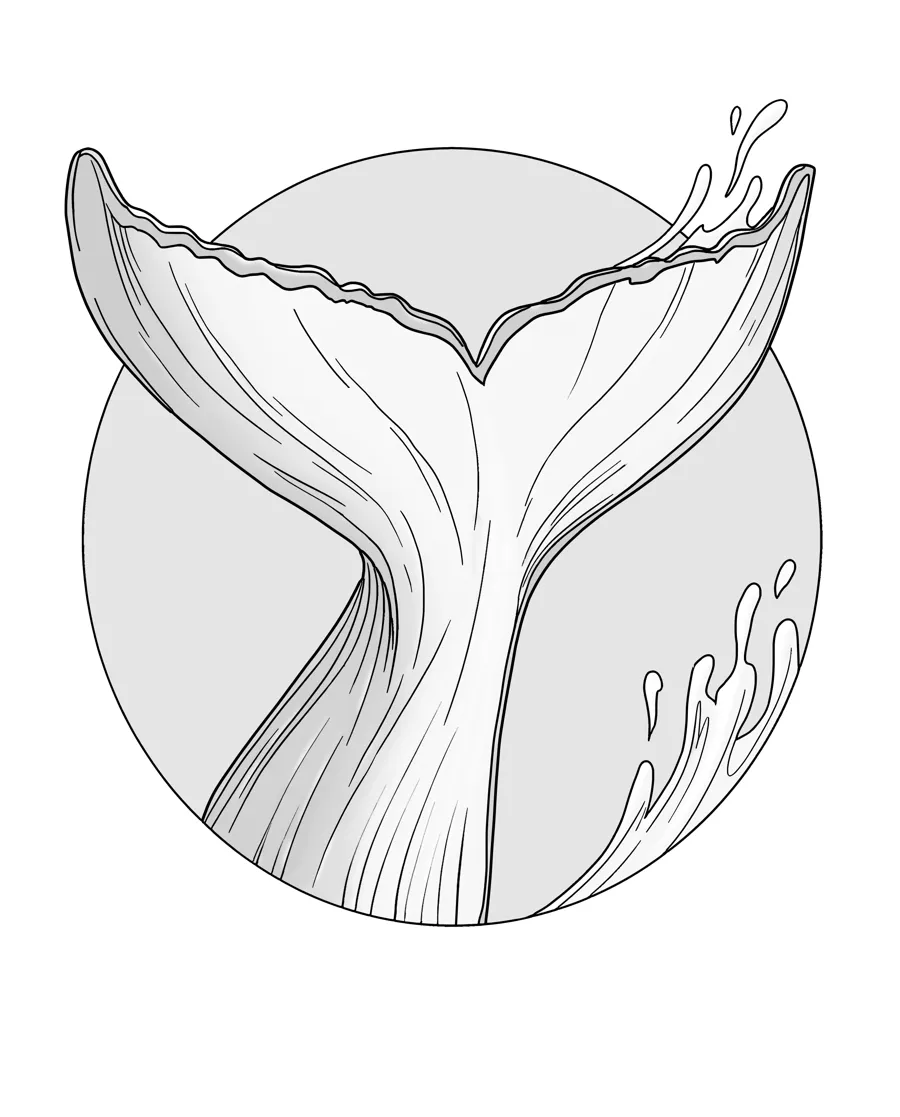
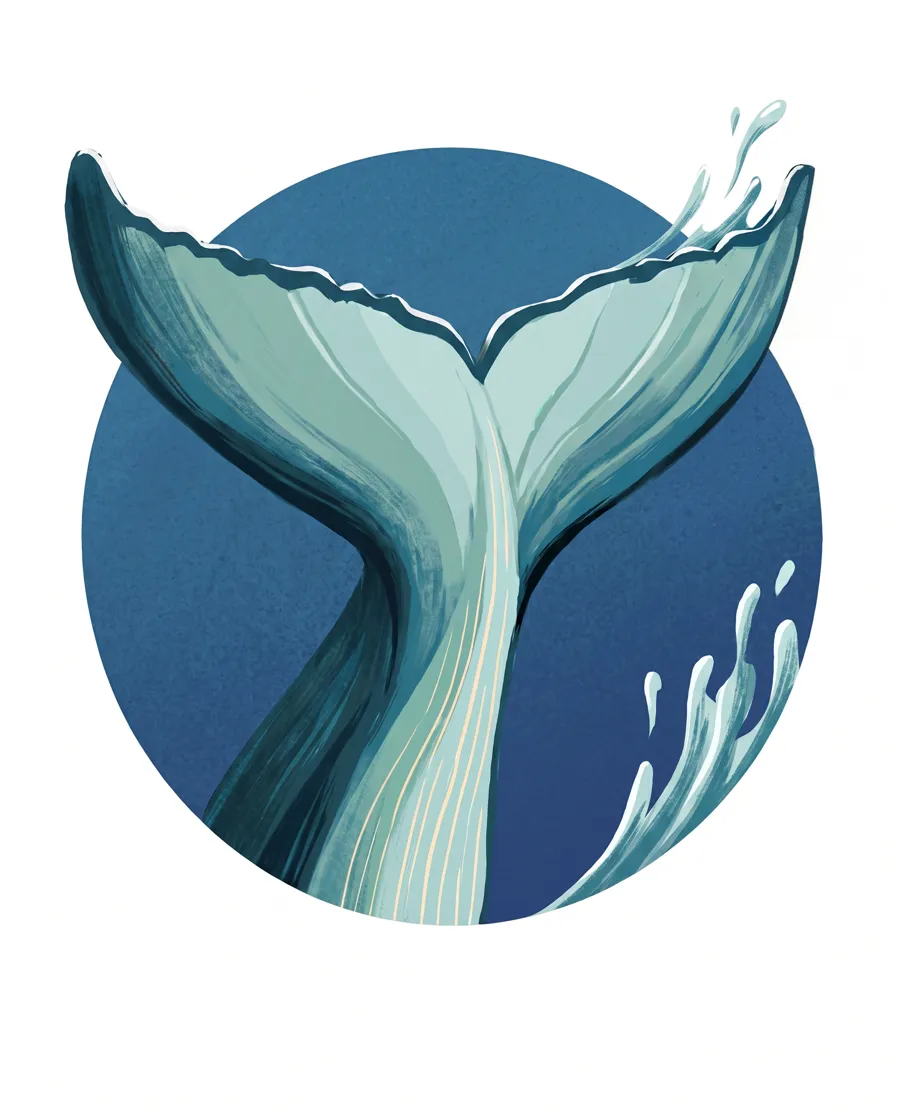
Humpback fluke color reference
Megaptera novaeangliae
Humpback whales lift their tail, or fluke, out of the water before a deep dive. The black and white pattern on the underside of each fluke is unique, and researchers use photographs of it to recognize individual whales. Humpbacks travel thousands of miles between feeding and breeding waters.
Colors to reach for
Use black and deep slate for the fluke, white for the patches on the underside, and pale gray for barnacles along the edge.
- black
- slate
- white
- silver
- navy blue
How to color the humpback fluke, step by step
- Read the gray shading guide first. It already marks where the humpback fluke is darkest, so the shadows are mapped before you pick up a pencil.
- Lay a light first layer of black and slate over the largest areas, with soft pressure and small circles, letting the gray show through.
- Build depth with white and silver, going over the gray areas a second and third time until they read as shadow and form.
- Finish with navy blue for the smallest details and highlights, then step back and compare with the color reference above.
Questions about this page
- What colors do I need to color the humpback fluke?
- Start with black, slate, white, silver and navy blue. Use black and deep slate for the fluke, white for the patches on the underside, and pale gray for barnacles along the edge.
- Where is the humpback fluke in Quiet Ocean?
- It is plate 28 of 45 in Quiet Ocean. Like every Nibfern drawing it is printed on one side of the page, with a light gray shading guide under the lines and a dotted cut line at the spine.
- Can I frame the humpback fluke page?
- Yes. Cut along the dotted line and trim to the corner marks for a 7 x 9 inch print that fits a standard 8 x 10 frame.
More from Quiet Ocean
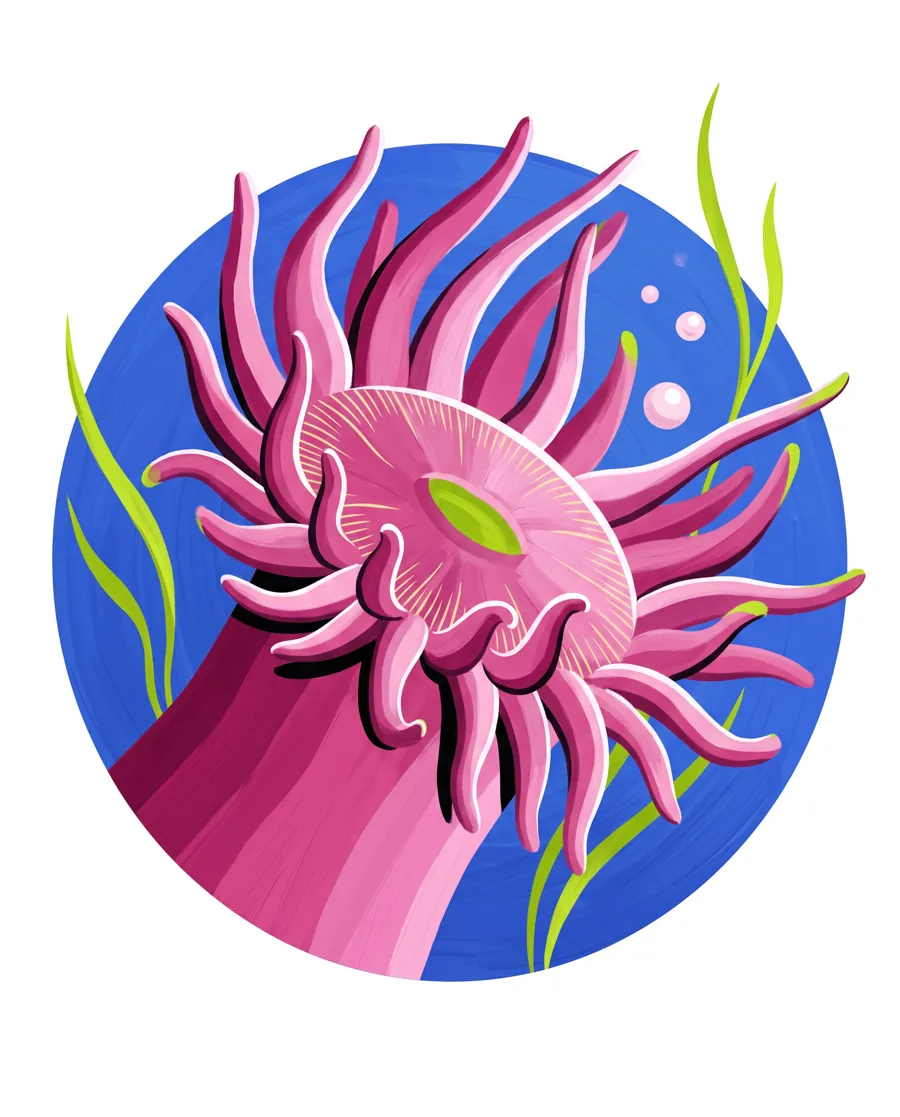 Sea anemoneQuiet Ocean, plate 30
 Sea urchinQuiet Ocean, plate 31
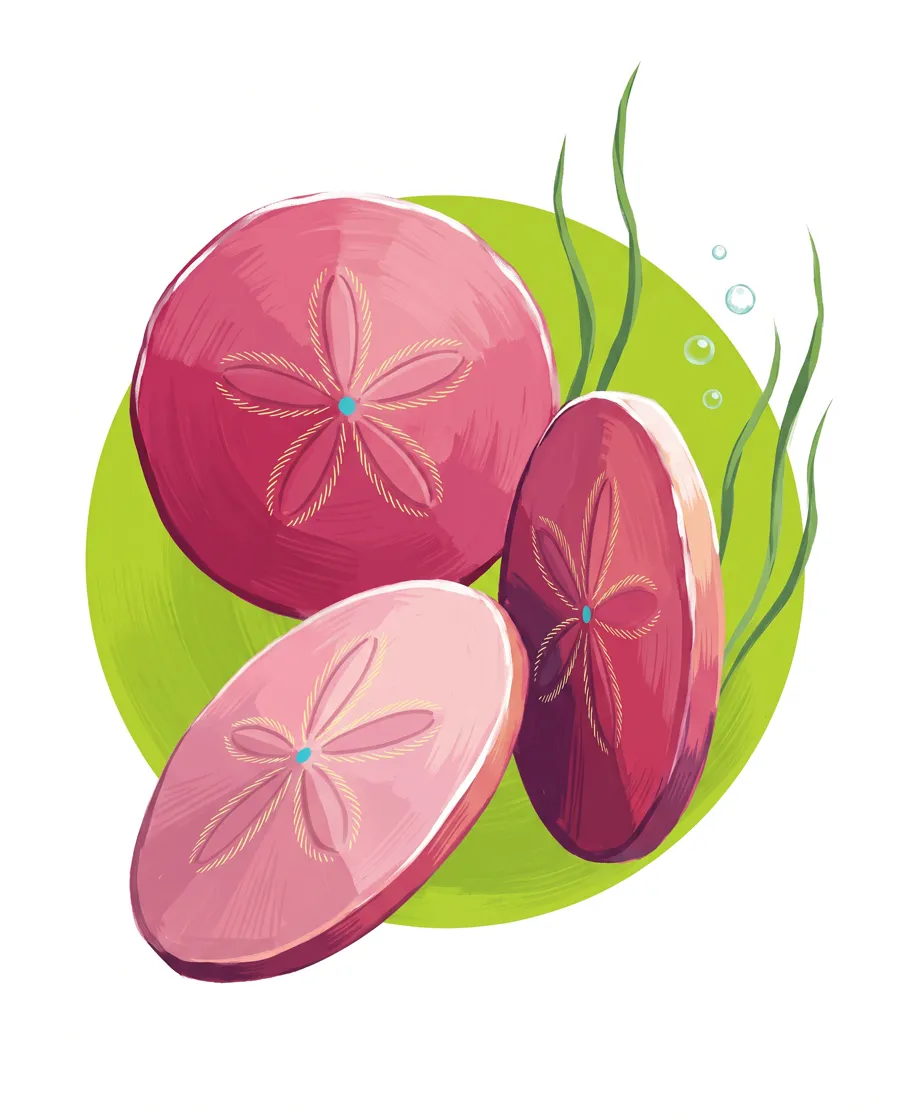 Sand dollarsQuiet Ocean, plate 32
 Scallop and clamQuiet Ocean, plate 33